Featured

Where it all began…

On March 22nd this year I went to the hospital (No. 1), I was desperate for a solution for the incessant burping I had been experiencing for over a week. At first, I chalked it down to having a bad reaction to something I had eaten, but after going over a week with little improvement, I realised it might be something more serious. The burping wasn’t the only gastric discomfort I was experiencing, in the past few months I had several episodes of heart burn and trapped air in my tummy. During these episodes I took some anti-acid pills and then I would feel better. I didn’t know if these symptoms were in anyway related. However, now in the waiting area to see the doctor, I felt insecure about sharing this one single symptom (burping) as evidence of an illness. Having had past experiences where my medical worries were simply dismissed by doctors, I came to the conclusion that I needed to come up with as much evidence as I could gather to get the attention I needed for what I can only describes as a “bizarre medical condition” and make a solid case for myself.

I stepped into the doctor’s office having rehearsed in my head what I was going to say to her/him. I was invited to sit in the chair and asked to describe my symptoms. After an articulate explanation which I blurted out in one breathless sentence, of symptoms I had been experiencing, the doctor jotted down some notes on a small piece of paper, he told me I had “ulcers” and gave me a short list of foods I should avoid. He prescribed some magnesium to take after every meal and an acid blocker to drink twice a day (morning and night). I wasn’t too surprised, this was not the first time I had been diagnosed with ulcers and it was not the first time I had been given magnesium tablets to eliminate the pain. I was happy to have a diagnosis and treatment. I was going to go home, take my medication, eliminate the forbidden foods from my diet and I would be better in two to three weeks tops…or so I thought.

I, of course told the people close to me about the doctor’s visit and my diagnosis. My boyfriend asked me what test I had gotten to determine this diagnosis, I explained to him what happened during the doctor’s visit and he reprimanded me. He advised that I go and get a proper test before taking any medication (me: grumbles inaudibly).

What is a proper test for ulcers anyway? I had no idea what to ask for and where to get it, so I consulted the world wide web, which of course helpfully told me that i had a life threatening illness and would probably not live for too much longer, and also that the test I was looking for was Helicobacter pylori (H. pylori) test. I then asked all my kind doctor friends for advice on where I could get the test, I was directed to a lab in Lilongwe.

On 24th March, I got a blood test at the lab and armed with results (positive for H. Pylori antibodies), I went to a different hospital (No. 2) to get an interpretation and a way forward. The doctor at “hospital 2” expressed concern and disappointment at my initial consultation from “hospital No. 1”, he explained that the treatment for ulcer is only effective if the root cause is eliminated (the H. pylori bacteria in this case). Hence he thought it was irresponsible that I was given treatment without a proper test. “Hospital 2” prescribed to me what is called a “triple therapy”, a treatment composed of two antibiotics and a proton pump inhibitor. He then continued to give me some thorough advice on what foods I could not eat, he explained why I could not eat those foods and he told me for how long I needed to maintain this new diet before I could feel some changes.

I didn’t know it then, but this was the day that my whole relationship with food would change FOREVER!
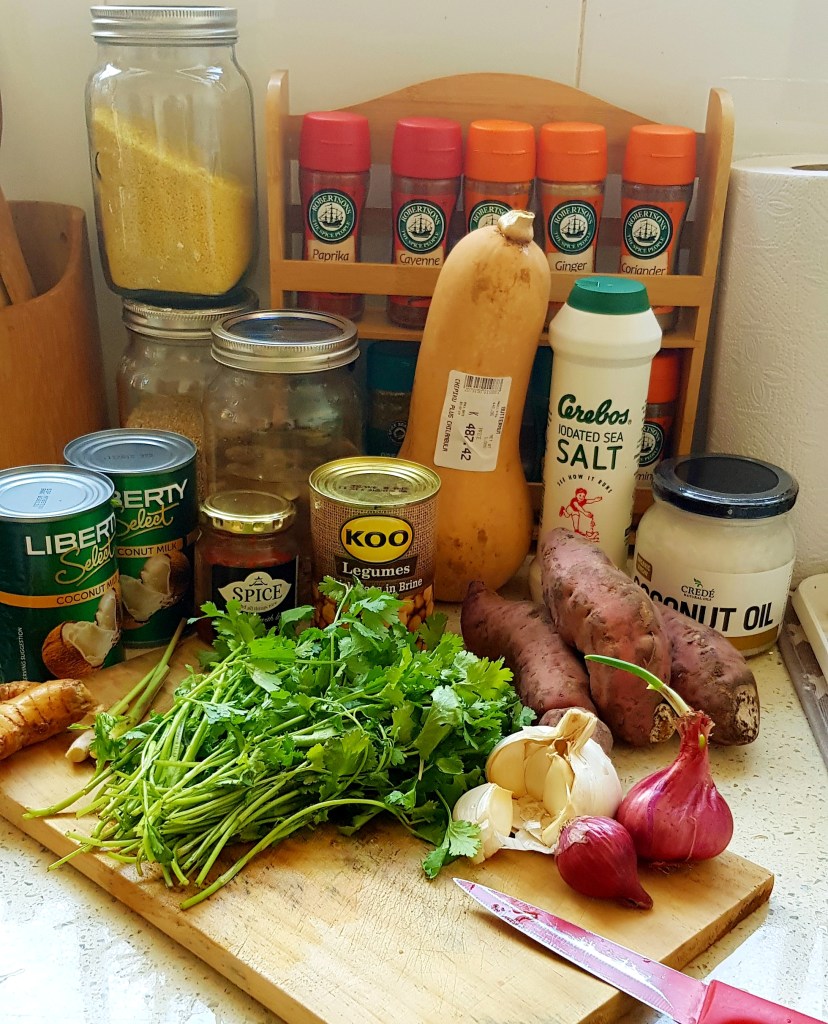
Butternut, sweet potato and chickpea curry

This is another plant-based recipe brought to you by a reader request. Ok ok, to be fair she did not ask for a plant-based recipe, but a recipe for frozen butternut. I took the liberty to share another one of my favourite plant-based recipes.

This curry is so easy to make and it is just so full of flavour. The best part about it is, the longer you keep it the more the flavours infuse, so it is good for a weekly meal plan.

Ingredients used in the recipe make for a perfectly filling and flavourful lunch. The main ingredients; sweet potato, butternut squash and chickpeas will give you a balance of protein and starch. Additionally, they all bring different textures to the dish.

I hope you enjoy making and eating it as much as I do!

Ingredients

  • 1 large butternut squash or 2 cups of butternut cubes from frozen
  • 1 small sweet potato
  • 1 can or 1 ½ cups of chickpeas
  • 1 tablespoon of coconut or olive oil
  • 1 cup full of chopped coriander leaves (also chop and put stalks aside)
  • 2 teaspoons of curry powder (use heat level that is good for you, I use Robertsons Rajah brand in “flavourful and mild”) or 1 teaspoon of Thai curry paste
  • 1 large stalk of lemongrass or two small ones
  • 1 clove of garlic
  • 1 thumb of ginger
  • 1 medium sized red onion, chopped
  • ½ teaspoon of freshly ground black pepper
  • 1 ½ teaspoons of salt
  • ½ teaspoon cayenne pepper
  • 1 teaspoon turmeric (reads, sprinkle liberally, I do. I love turmeric!)
  • 1 can of coconut milk
  • ½ cup of warm water

Preparations

  • Peel and grate ginger and garlic
  • If you are starting with a whole butter nut squash, peel and cut into even sized cubes/triangles, whatever tickles your fancy.
  • Peel and cut sweet potato into even sized cubed (same as butternut)
  • Drain and rinse canned chickpeas
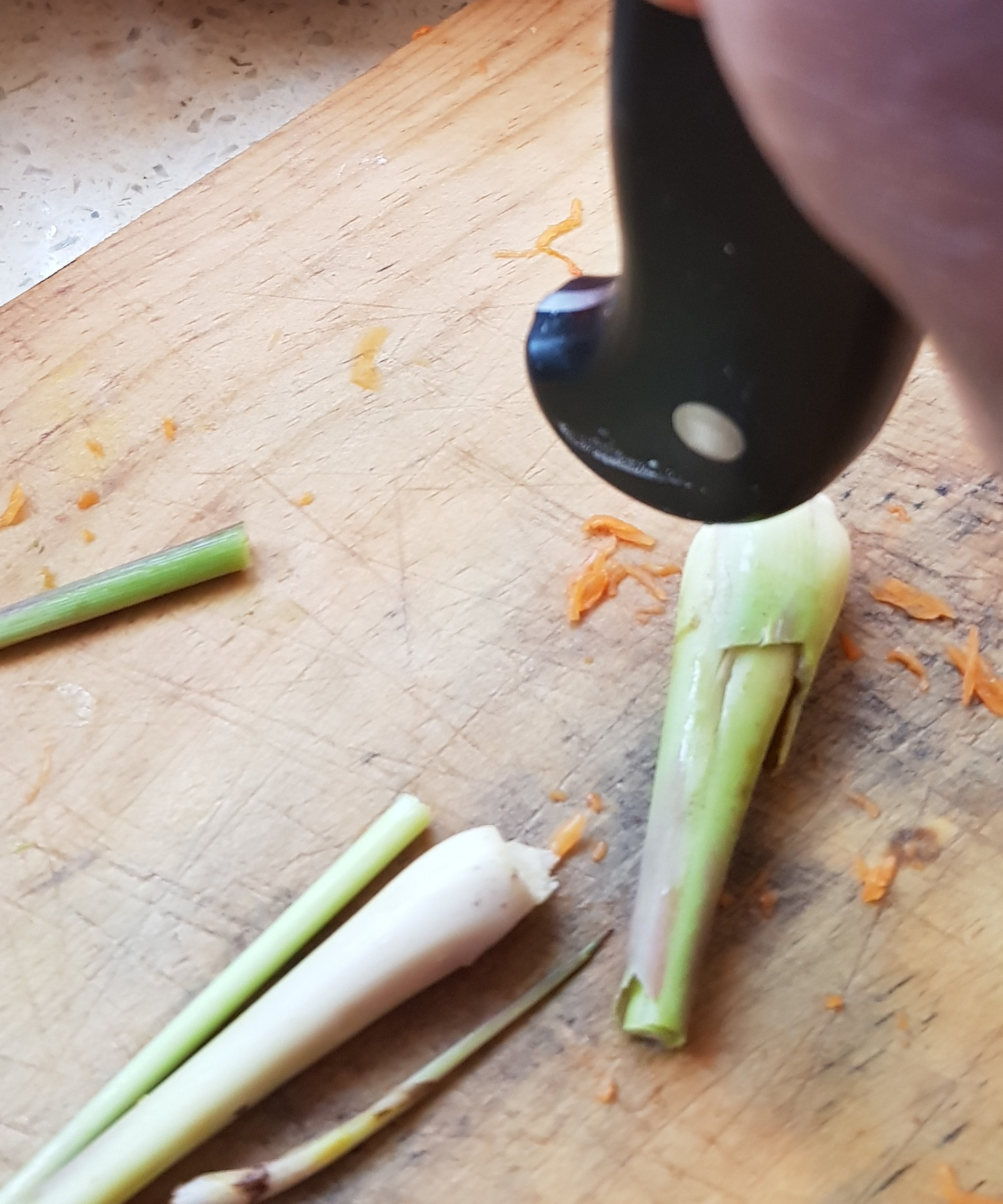
  • Bruise lemon grass by hitting in with the butt of you knife, this helps to release the flavours once it’s in the pot.
Lightly bruise the lemongrass

Method

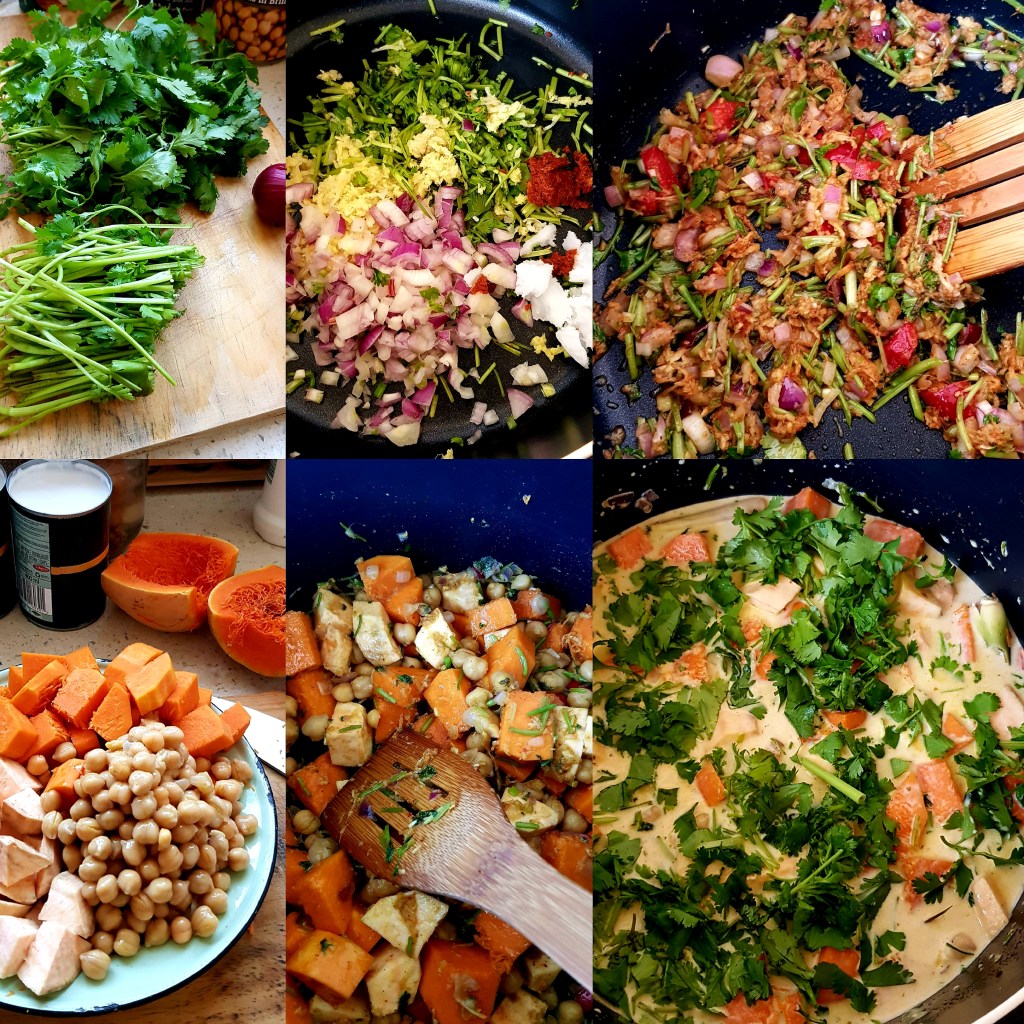
  • Starting from medium heat, put 1 tablespoon of coconut/olive oil in a deep pan. Add onion, garlic, ginger, coriander stalks, salt and all spices (sans lemongrass, this will go in later). Mix them up well and let them cook for about a minute and a half.
  • Throw in the cubed vegetables and chickpeas and toss them around until evenly coated in the spices. Lower the heat and let it cook for five minutes, turning often to avoid burning or sticking.
  • Add the coconut milk (only pour the milk in, throw away or use the oil for another purpose), warm water, ¾ of the coriander leaves and lemon grass stalks. Allow to simmer on low heat for 30 minutes.
  • You are done! Remove lemon grass stalks before serving and use the remaining coriander as garnish

This recipe makes three generous servings, but you can easily double the ingredients in this recipe to make twice as much.

For your meal prep you can pack this into three containers and put them in the freezer. I normally leave the lemongrass in, so that the flavour keeps infusing until I am ready to eat it.

Serving suggestion: I usually eat this just the way it is, because it is so filling. But traditionally curries are served with rice, bread or noodles.

Falafel

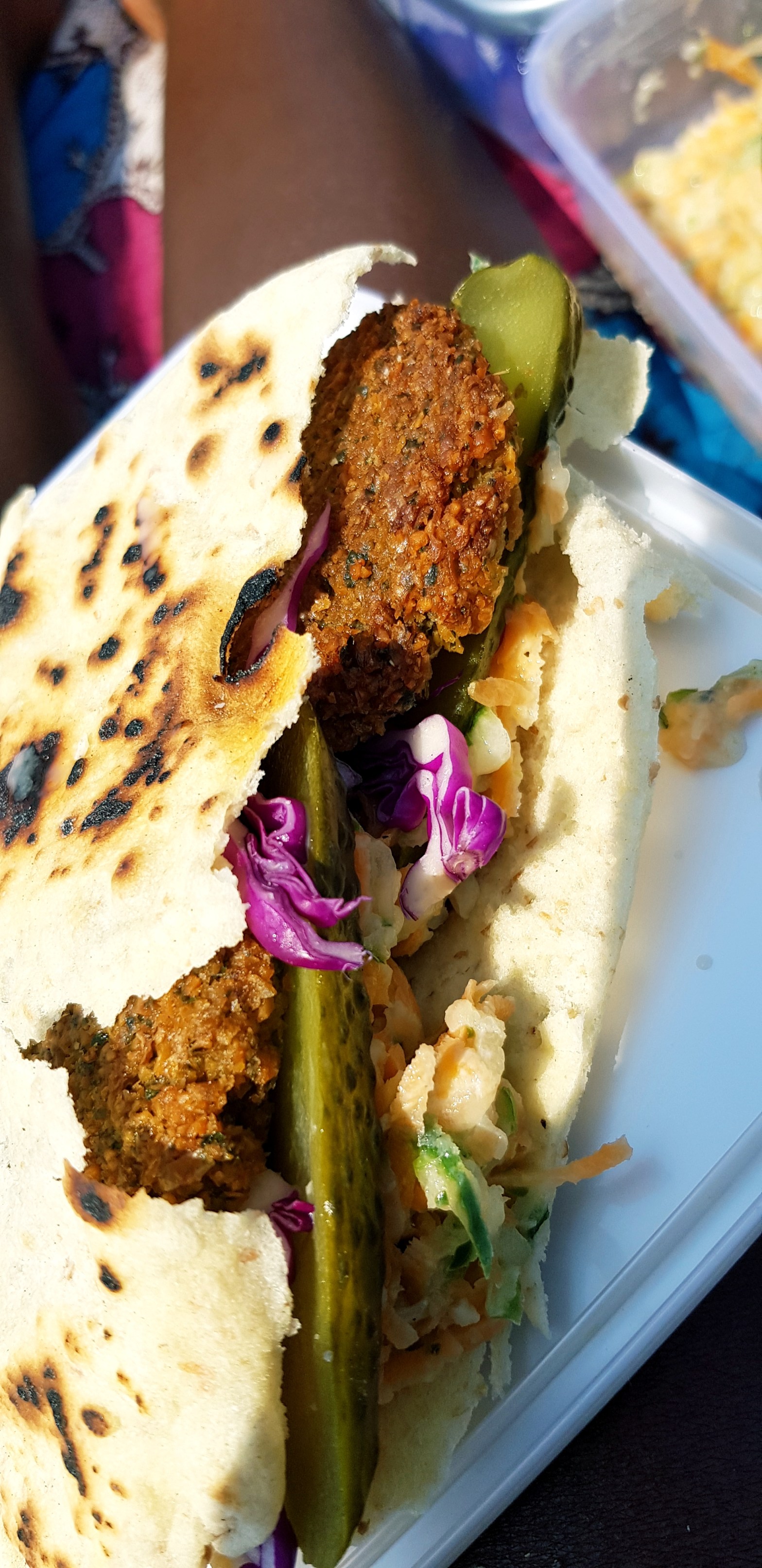
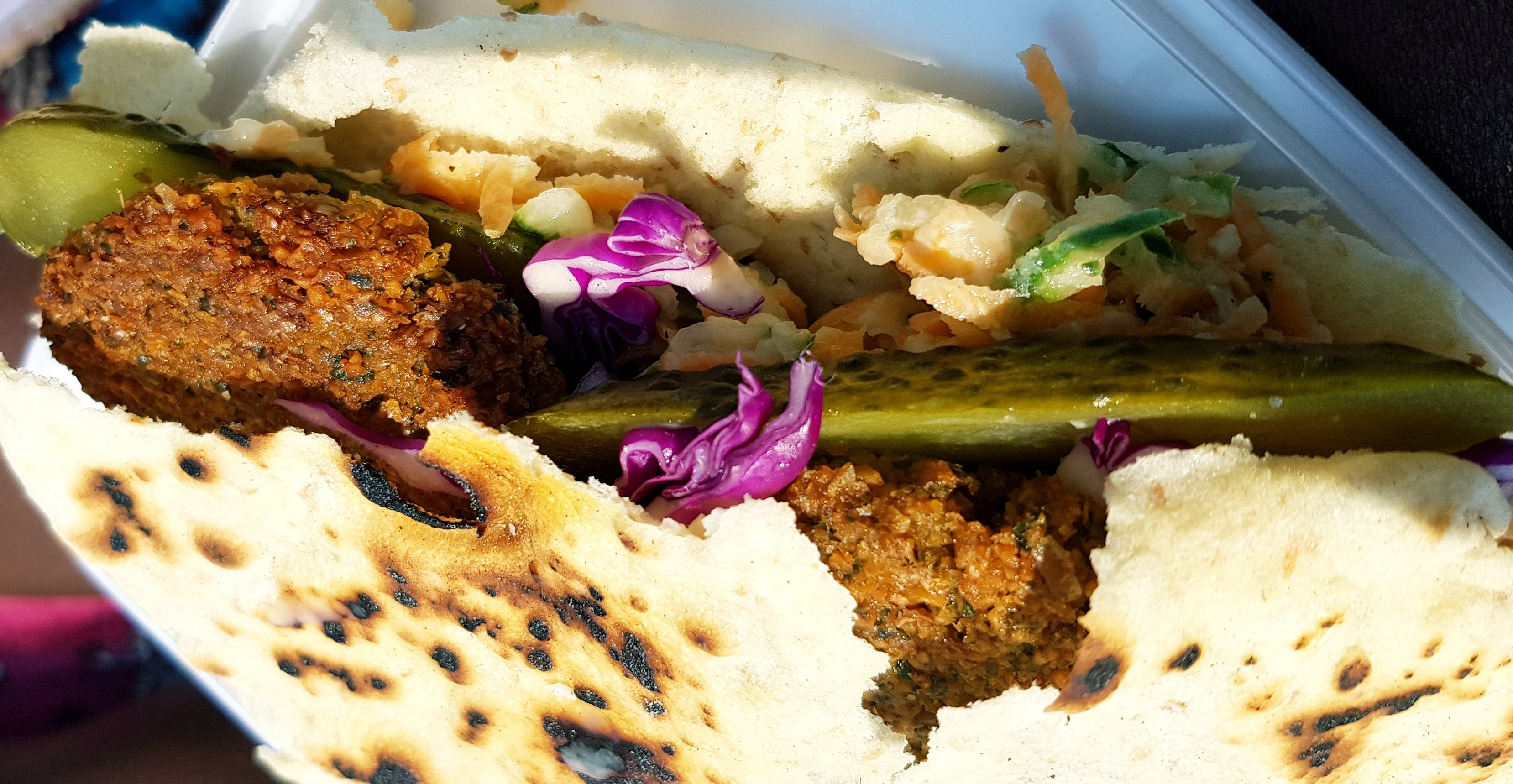
Falafel in pita pocket

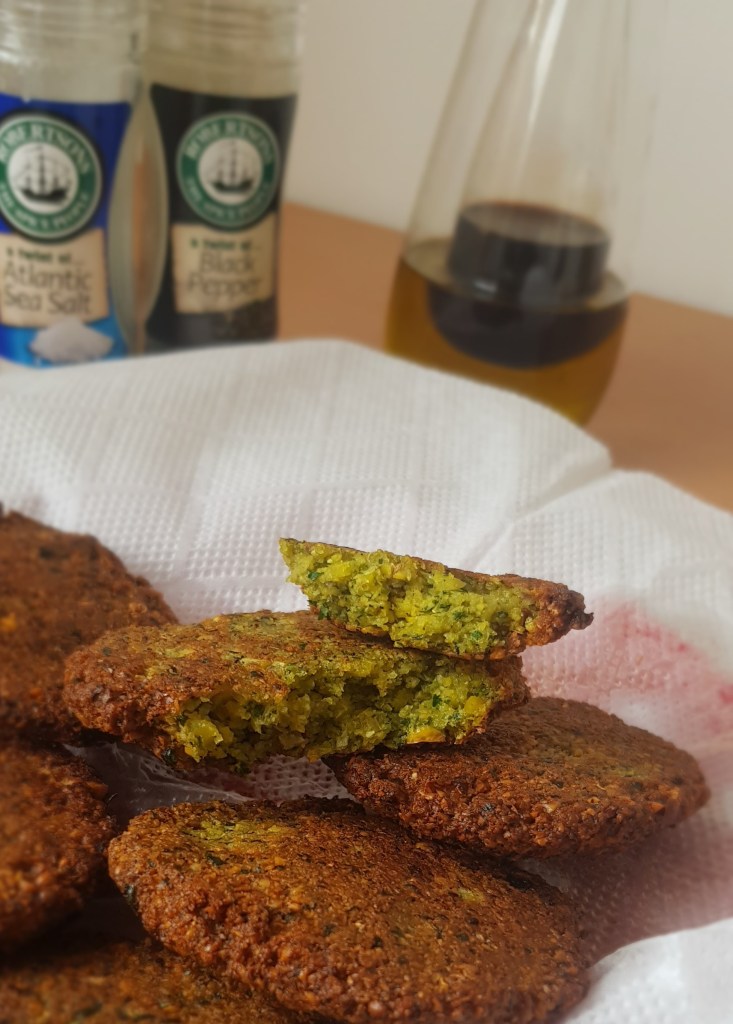
This week’s recipe was a request from a dear friend of mine who has asked me for plant based food ideas. So, here enters falafel! This is one of my most favourite things to make. It is so flavourful, it makes me feel like I have taken a journey from my kitchen to an exotic land. I love the smell of all the spices and the way the different flavours play on the tongue. Bonus! It is quick and easy you will not regret making it. These little balls/patties (depending on how you shape them) of chickpea goodness will have you coming back for more. The best part about falafel is the ability to freeze it down. This way you can defrost them ahead of time and fry them up for a quick and filling meal.

The recipe will yield about 13 to 14 falafel discs:

Ingredients:

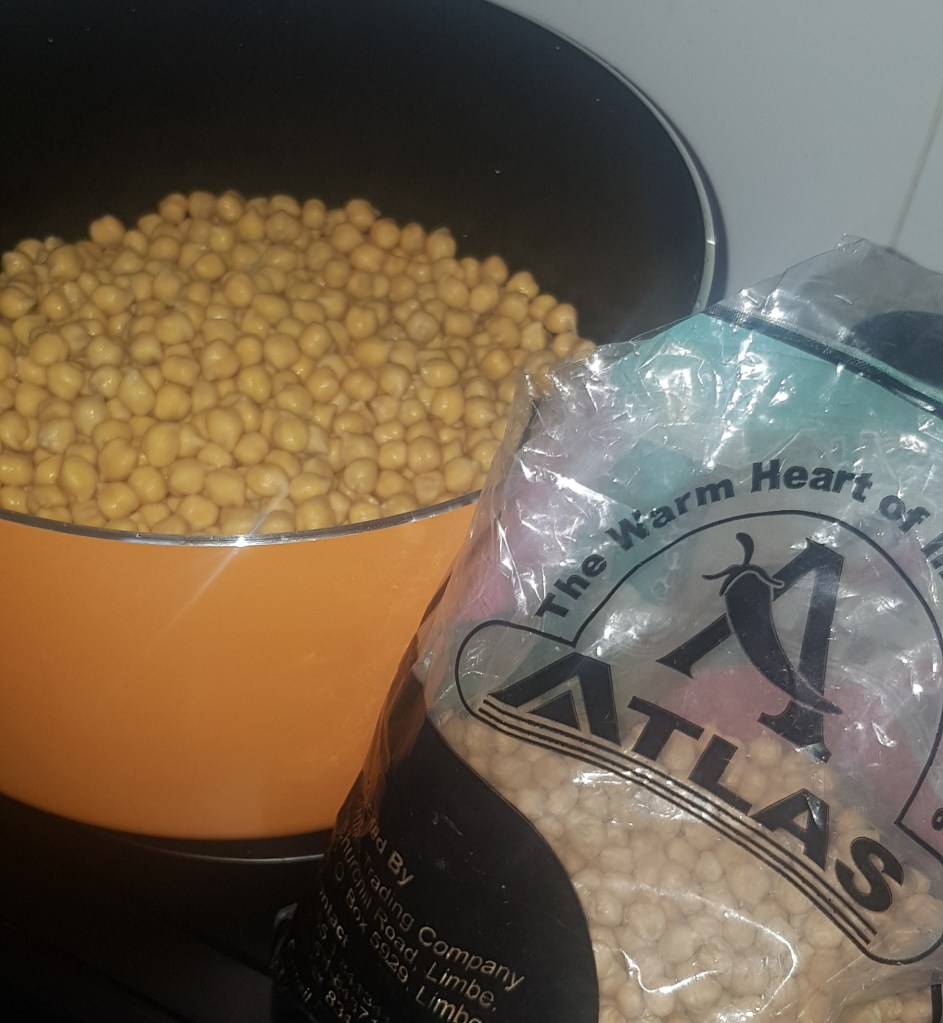
  • Two cups of dry chickpeas/chana (do not use canned chickpea, you will end up with chickpea mash not falafel)
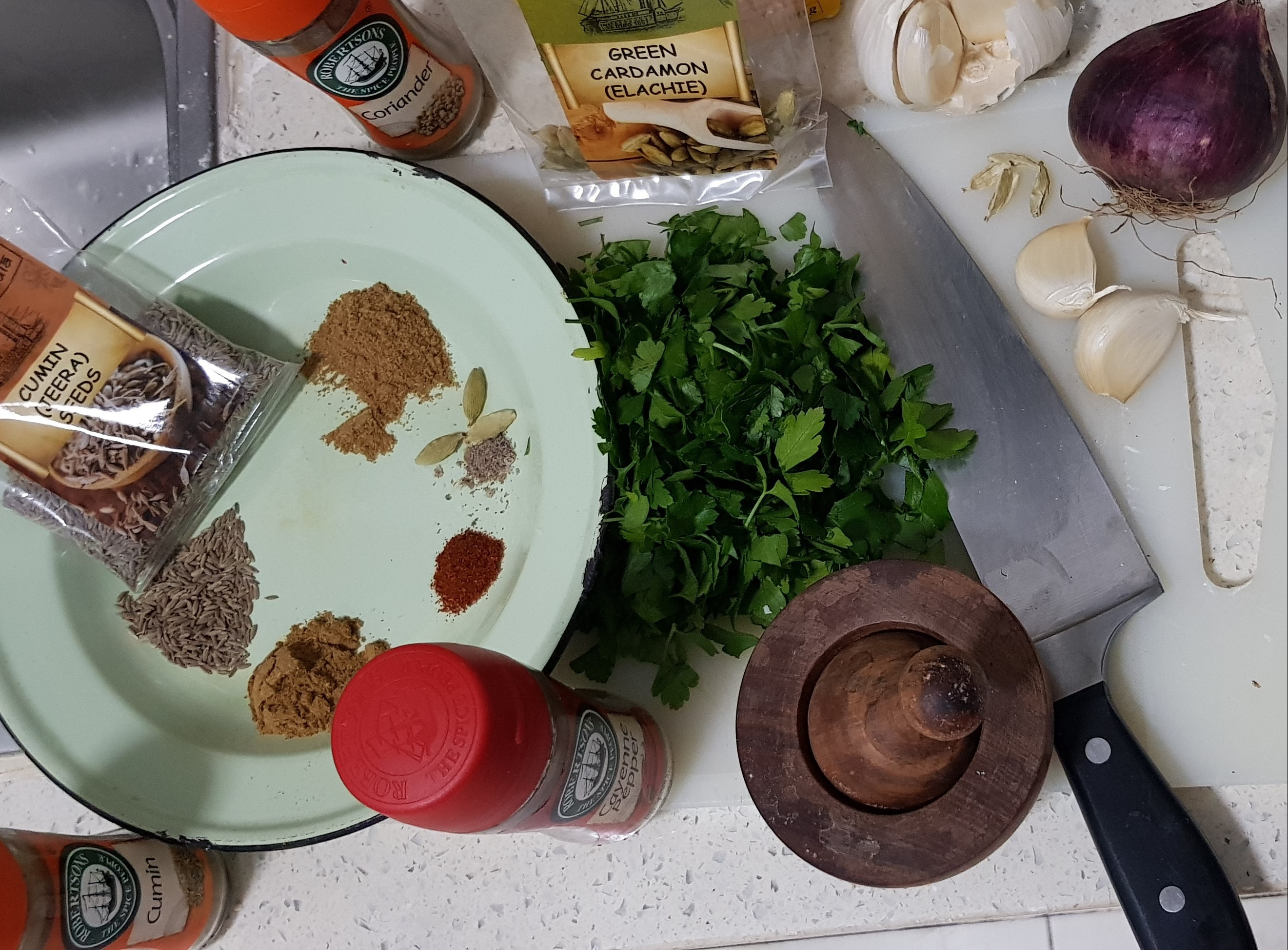
  • 1 teaspoon of whole cumin/jeera
  • 1 teaspoon of ground cumin
  • ¼ teaspoon of cayenne pepper
  • 2 pinches of green cardamom powder
  • 1 ½ teaspoon of ground coriander seed
  • ½ teaspoon freshly ground black pepper
  • 2 teaspoons of corn flour or chickpea flour
  • 1 large clove of garlic or two small ones
  • 1 small red onion
  • 1 full cup of chopped up parsley
  • 1 teaspoon of salt
  • Vegetable oil for frying (preferably one that does not have an over powering taste such as sunflower oil)

Instruments:

  • Blender
  • Spice mortar and pestle

Preparation:

  • Put the chickpeas in deep bowl or pot and cover with water. You want the bowl to be deep enough to accommodate the chickpeas because they will swell up to two times their dry size. Just like beans. Soak them for 6 to 8 hrs or overnight.
  • If you can find ground cardamom go ahead and use that. I couldn’t find that in the store so I bought green cardamom pods, broke them open to get the seeds and ground them up in my little mortar.
  • Roughly chop onion and garlic, they don’t have to look pretty. They will end up in the blender

Method:

  • Put chickpeas in the blender
  • Add the onion, garlic, parsley, corn flour, all the spices and salt
  • Blend until you get a quinoa or couscous like consistency; basically you don’t want your mixture to be puree, it should still be grainy but sticky enough to form a ball out of it. If your mixture is breaking apart blend a little while longer.
  • To make the discs/balls I use two even tablespoons of mixture in my hand and make the desired shape
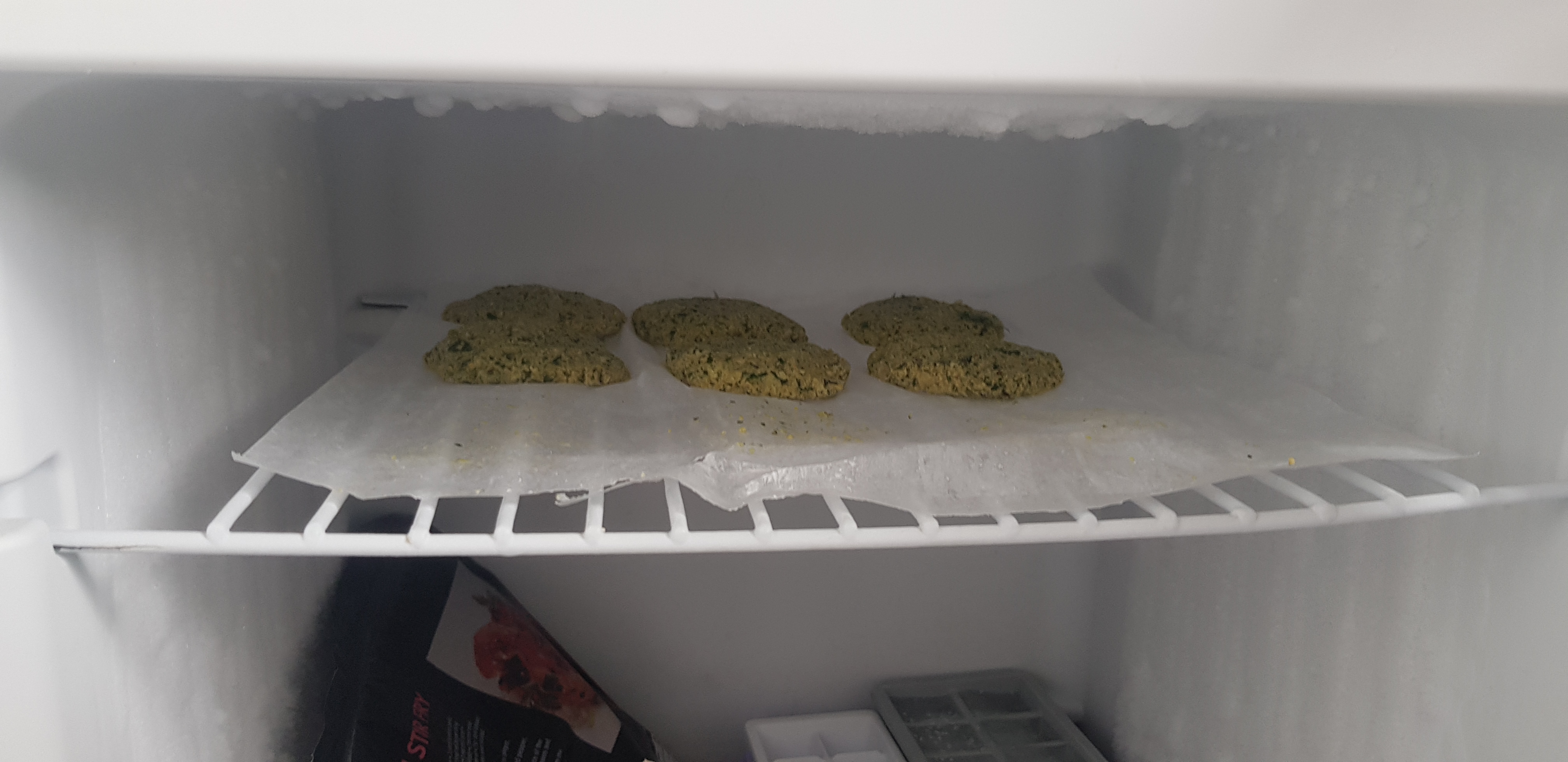
  • Line a cutting board with baking paper and place the shaped mixture onto it
  • At this point you can either place these in the freezer to be used later or you can fry them up until they are nicely browned, move them to a paper towel to soak off the excess oil and serve them warm

Tips:

  • The mixture will not completely hold together the way a normal flour dough does, it will be a little crumbly, this is normal. Once they are fried they will hold together. However, if you are very concerned you may add one beaten egg to your mixture.
  • I usually put the shaped, uncooked mixture in the freezer and they can keep for up to two weeks. They are perfect for you quick go to meal plans, if you want to have them for lunch the next day, you simply move them to the fridge, they thaw out overnight and you can fry them up in the morning so they are still nice and crunchy for you lunch! Although I wouldn’t recommend having this for lunch every day for obvious fried reasons.

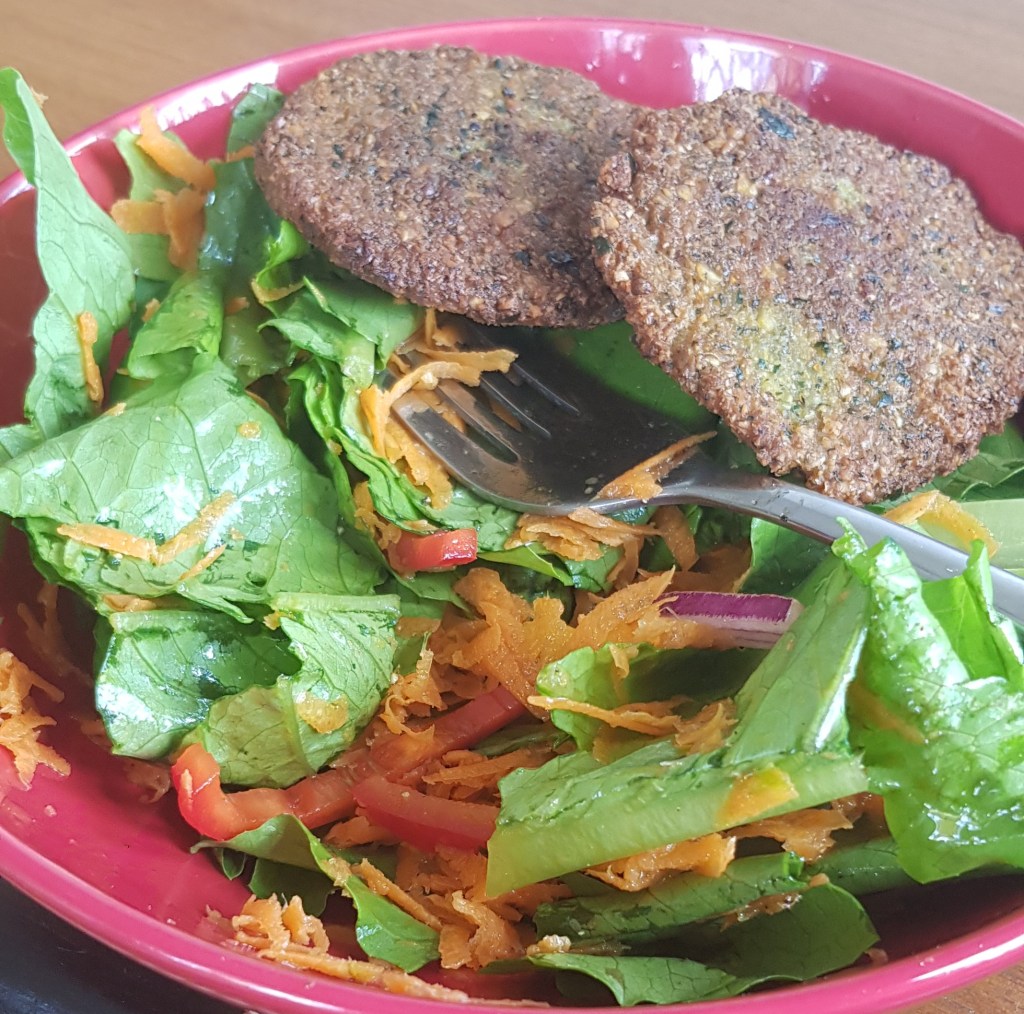
Serving suggestion: this weekend I experimented with making my own pita pockets at home. I was very pleased with the results. Traditionally falafel is served with pita bread and topped with different ingredients such as lettuce, tomato, pickles, red onion, hummus and tahini. You can also just have this with a green salad, I really like to have it like this because falafel is really filling on its own.

Teriyaki chicken bake

Many of my best memories are made around food. One of the earliest is the porridge my mum used to feed me when I was a child. She cooked it on the “mbaula” and it had a slightly smokey flavour. I would finish my plate, then go and scrape the pot for the layer that formed at the bottom.

Growing up I spent many nights in the kitchen with my sisters making baked casserole dishes, throwing in all sorts of ingredients. I loved dinners at the table with my family where we shared rice and beans with bananas, my dad’s signature dish.

My first sushi introduced to me by my brother in-law during my first visit to Norway, I stuffed the whole roll in my mouth because I didn’t realised you could take small bites (cringe). My first taste of south-eastern European food such as Cevapcici while traveling in Austria with my boyfriend.

All these are memories that feel so powerful because all my senses were engaged. Seeing the vibrant colours on my plate, feeling the various textures, smelling the food, the crackling sounds in the air when the waiter brings a hot plate and of course the tastes: sweet, salty, sour, bitter and every other flavour I can’t conjure up the words to describe.

That is why when my best friend’s asked me if they could come over for lunch last Friday, I was not only excited to serve up a meal that will knock their socks off. I was enthused at the thought of creating yet another memory to hold on to. Life is so busy we don’t get to see each other often, so I really cherish the few times that we can all get together over a good meal.

Besties for life

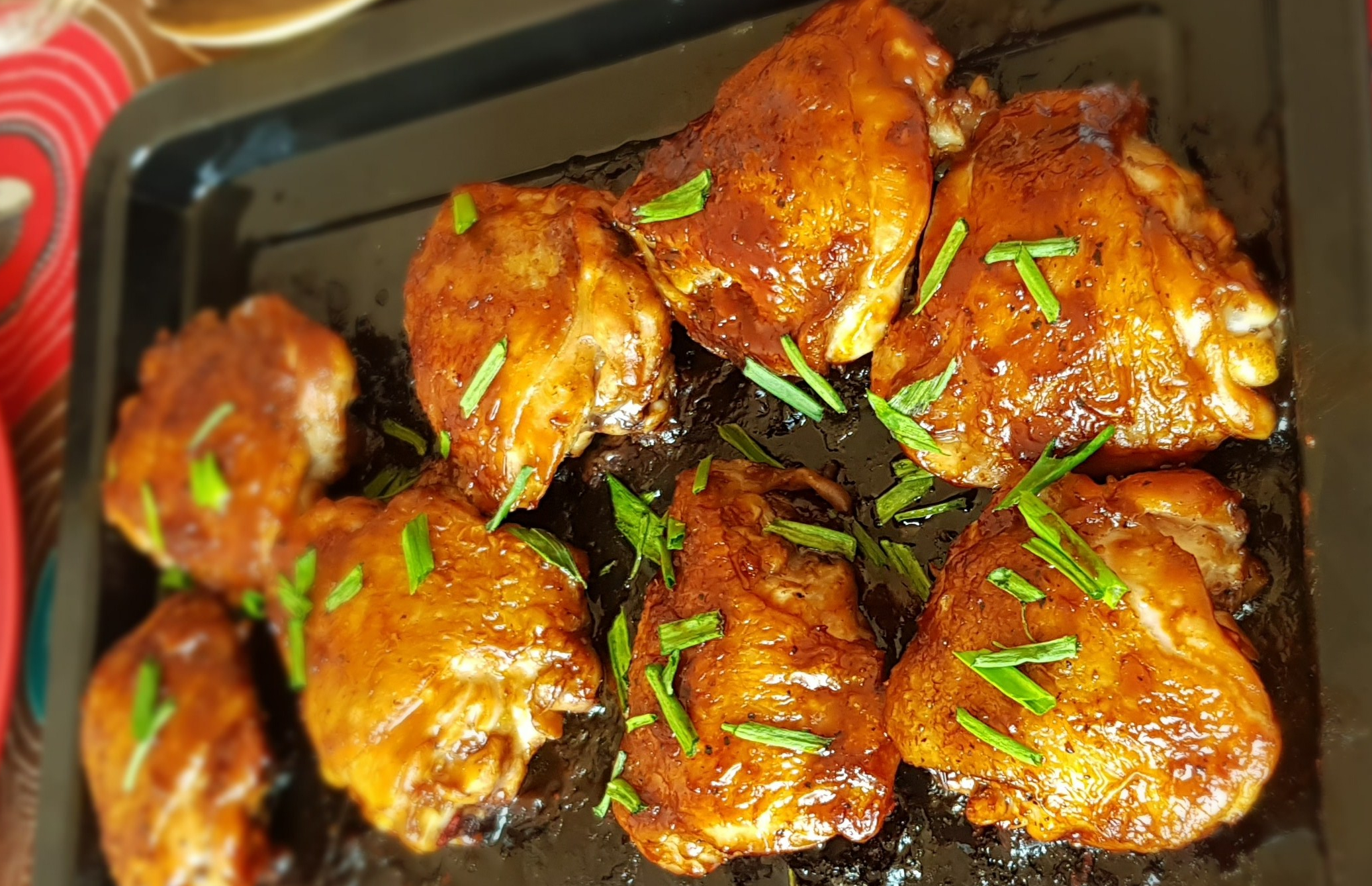
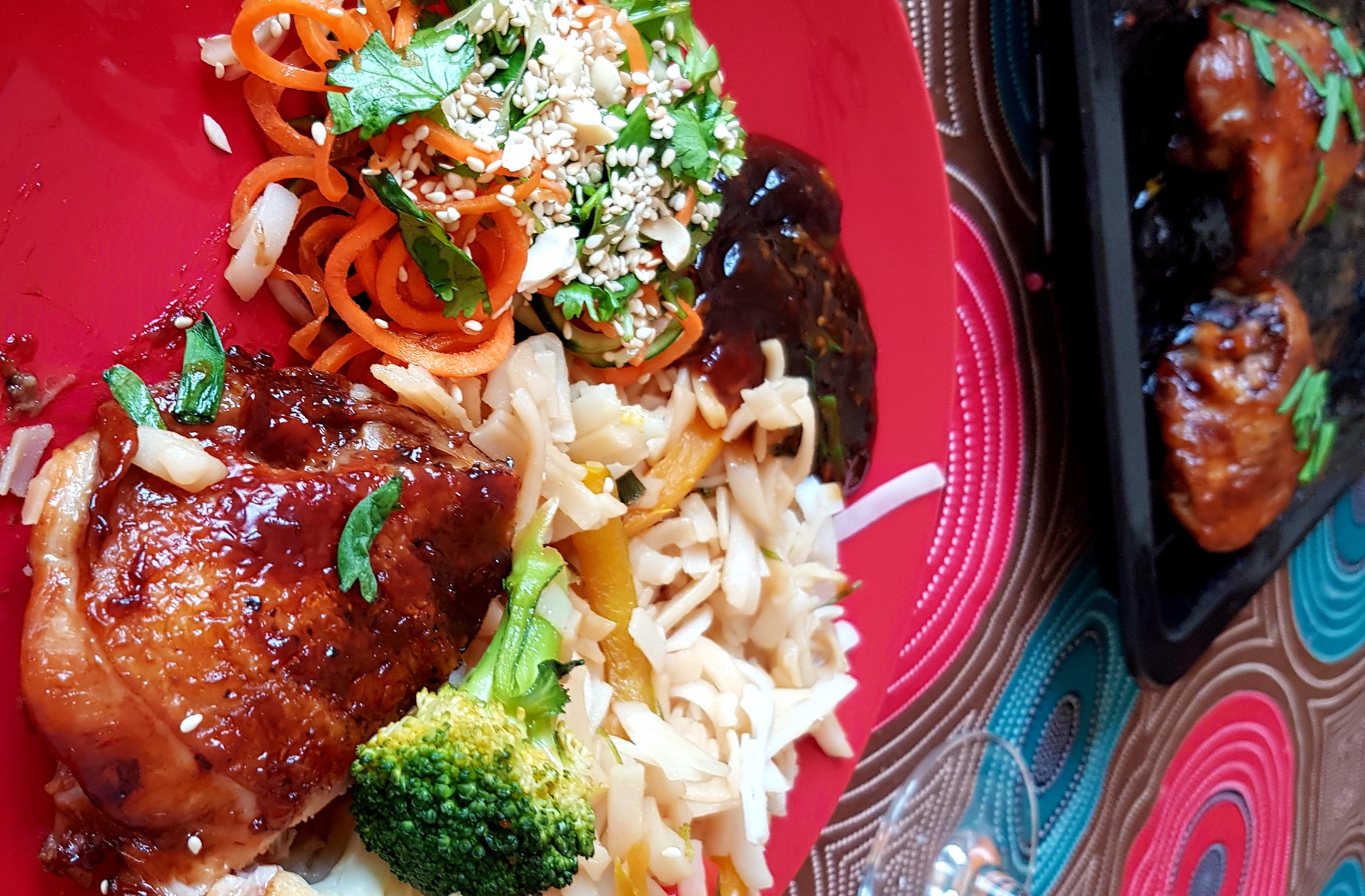
For our lunch I made baked chicken thighs, slathered in a homemade teriyaki sauce. Served with rice noodles and mixed steamed vegetables. Recipe below:

Teriyaki Sauce:

  • 2 tablespoons corn flour (I use the Maizena brand, which I get in Chipiku)
  • ¼ cup of water
  • ½ a cup of soy sauce (I used low-sodium, can also be found in Chipiku)
  • 2 tablespoons of brown sugar
  • 2 tablespoons of honey
  • 3 cloves of garlic (minced)
  • 1 thumb of freshly grated ginger

Method:

  • Add corn flour to the water in a cup and mix well, set aside
  • Put a small sauce pan on the stove over medium heat, pour in the soy sauce, sugar and honey and stir with a whisk until solid ingredients melt
  • Turn down the heat, add the ginger, garlic and allow the mixture to infuse for a minute
  • Finally add the corn starch mixture and keep stirring with whisk until the sauce becomes thick
  • Take off the heat and put it to the side

Chicken bake:

  • 8 chicken thighs (you want to use chicken that’s on the bone for juicy results)
  • 2 teaspoons olive oil
  • Salt
  • Black pepper (freshly ground)

Preparation:

  • Start with chicken thighs that are thawed
  • Rinse the chicken under some cold water
  • Dry the chicken with a paper towel
  • Trim excess fat (if you are into that)
  • Season with salt and black pepper

Method:

  • Put the olive oil in a hot pan and fry the chicken for 3-4 mins or until it gets a light golden-brown colour
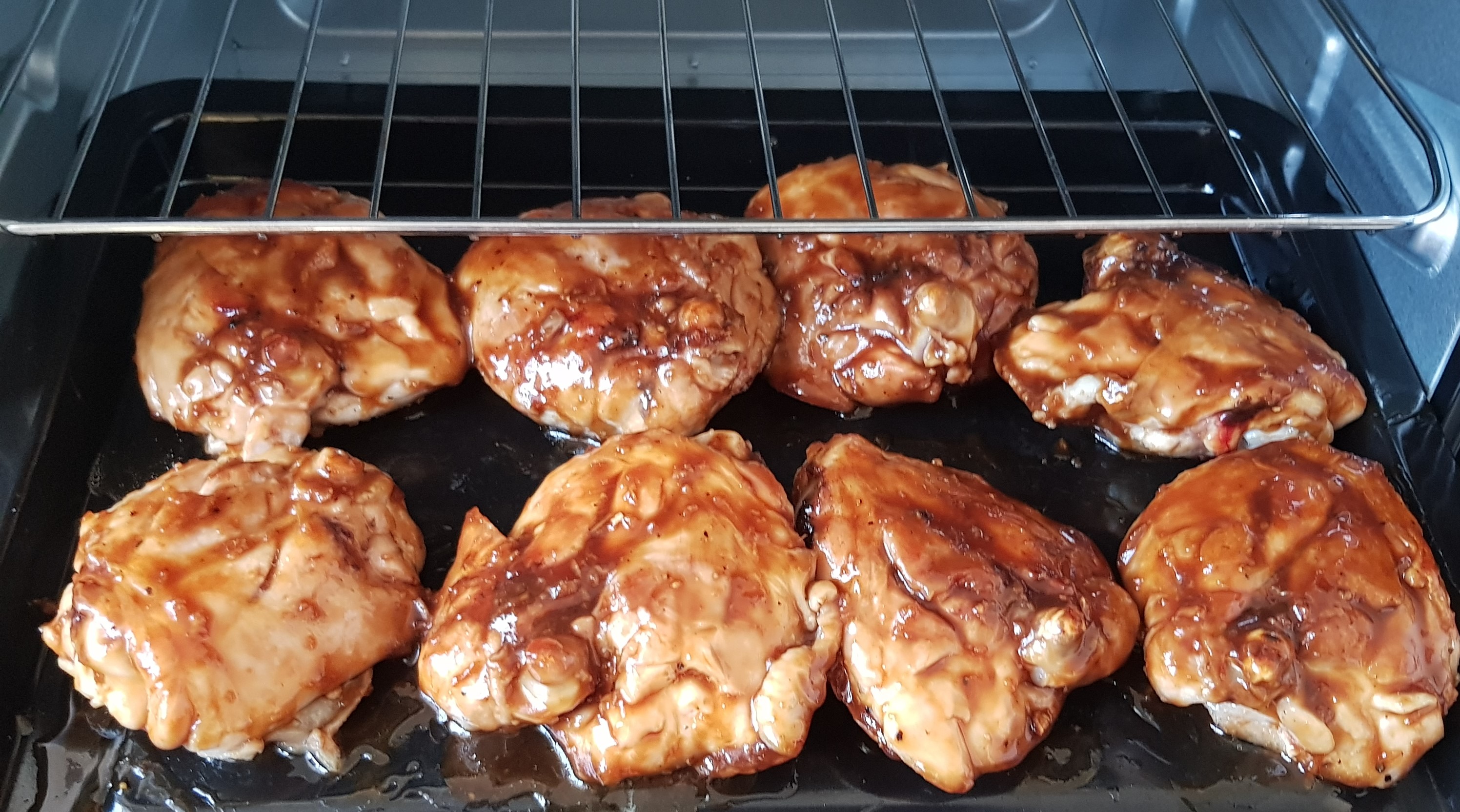
  • Transfer the chicken to a baking tray, skin side up and brush with the teriyaki sauce
  • Put in the oven at 180⁰ C bake for 20 minutes
  • Turn the chicken over, brush the other side with the sauce (coat it well), bake for another 20 minutes and voila! You are done!

Tip: In the first step when you fry the chicken, only put a few pieces of chicken in at a time, if you put in a lot of chicken at once it releases all the juices and starts to cook rather than fry.

I fried 4 chicken pieces at a time in a 26 cm wide, shallow, non-stick frying pan. When I removed that batch, I poured all the oil out. Wiped the pan with kitchen paper to remove the burnt bits before adding a bit of the oil back and putting in the second batch.

Notice I said I only add a bit of oil back because the first batch of chicken released some fat and therefore increased the amount of fat in the pan.

Serving suggestion: rice noodles with steamed cauliflower, broccoli, sweet peppers and a cucumber carrot salad.

Note: You can also get ready made teriyaki sauce in food lovers, shoprite and chipiku. However, I found this homemade recipe with fresh ingredients to be the best. I might never buy the bottled stuff again.

If you do try this recipe, I hope you make some pleasant memories over it. Whether you eat it on your own, with good friends or family. Please let me know how it went!

This is the food part 2

Part two: What I eat in a day

In our work, studies or relationships, sometimes things happen that force us out of our “comfort zone”. We are required to look around for new pathways. And if we are willing to let go of the old, we are rewarded with some wonderful new ways of doing things. Food is no exception to this rule. There are many wonderful varieties of foods, methods of preparation and recipes waiting for you. You just need to open up your mind to the experiences.

Today, I am just going to do a rundown of some of the new ways I eat, I hope you enjoy!

Breakfast:

During the week, I have the exact same breakfast every single day! Yes, that’s correct Monday to Friday, I eat the exact same thing!

A while back, I watched a TEDtalk by Chris Suave, titled “The habits of highly boring people” . In the talk he explains about the paradox of choice today’s humans are facing. He elaborates that we have a limited amount of energy for decision-making and that we tend to exhaust ourselves making so many small decisions like “what to eat for breakfast”. As such, by the time we get to the big decisions, we do not have enough capacity to tackle them.

I love my routines and functioning on auto pilot in some areas of my life. This saves me important energy to spend on my work and family decisions. Living in this structure may make me less exciting, but it increases my functionality. In addition, the body also does not mind if you are giving it the same food every day. It only cares that it gets the correct amount of nutrients.

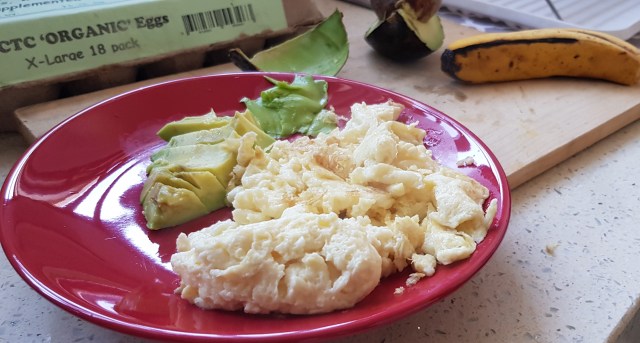
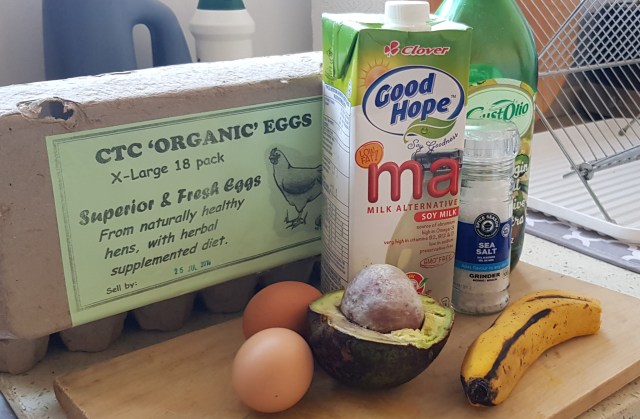
So for my breakfast I choose a protein packed, two scrambled eggs, a quarter avocado (half if it’s small) and 1 whole fruit. It takes me less than 5 minutes to prepare and I find this breakfast so filling that it usually carries me from 7 through to 10am.

If I know I will go out to a restaurant for lunch and there is a chance of “quiche”, I will usually skip the eggy breakfast and have overnight oats instead. I believe the recommended daily intake for eggs is “two a day”, or at least this is what I follow. So I don’t eat anything which has egg as an ingredient for the rest of the day.

Mid-morning and afternoon snacks

My go to snacks are nuts, raisins, fruits, cucumber and carrot salad with sesame seeds and rice cakes with peanut butter. One of my most favourite snack is banana with peanut butter. I usually keep nuts and peanut butter in my desk drawer so snacking becomes a part of my functional routine. Not that it needs to be, I just know my body will be calling because it has become accustomed to the 10am snack!

Lunch

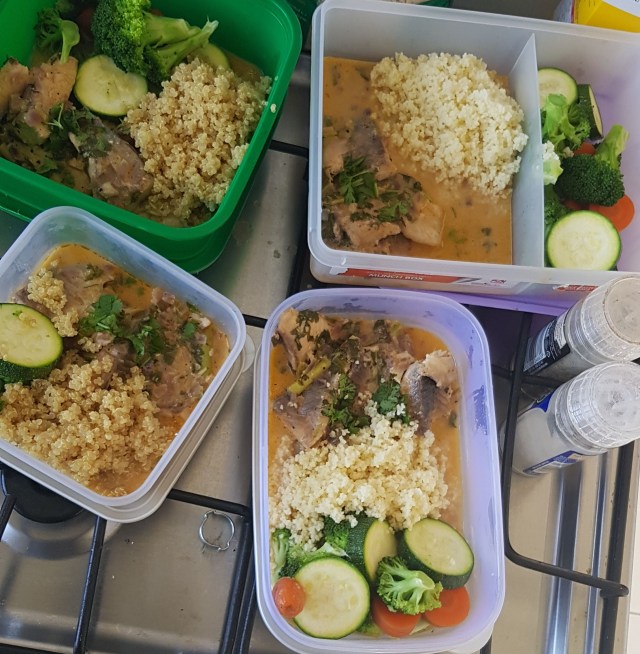
I usually prepare all my lunches for the week on Sunday, for this reason I mostly make vegetarian meals because they are less likely to go bad if stored in the fridge for a few days. I usually cook enough food for three or four lunches and leave one or two lunches free to allow myself the flexibility to make/accept offers to go out to lunch with my friends/work mates.

Dinner

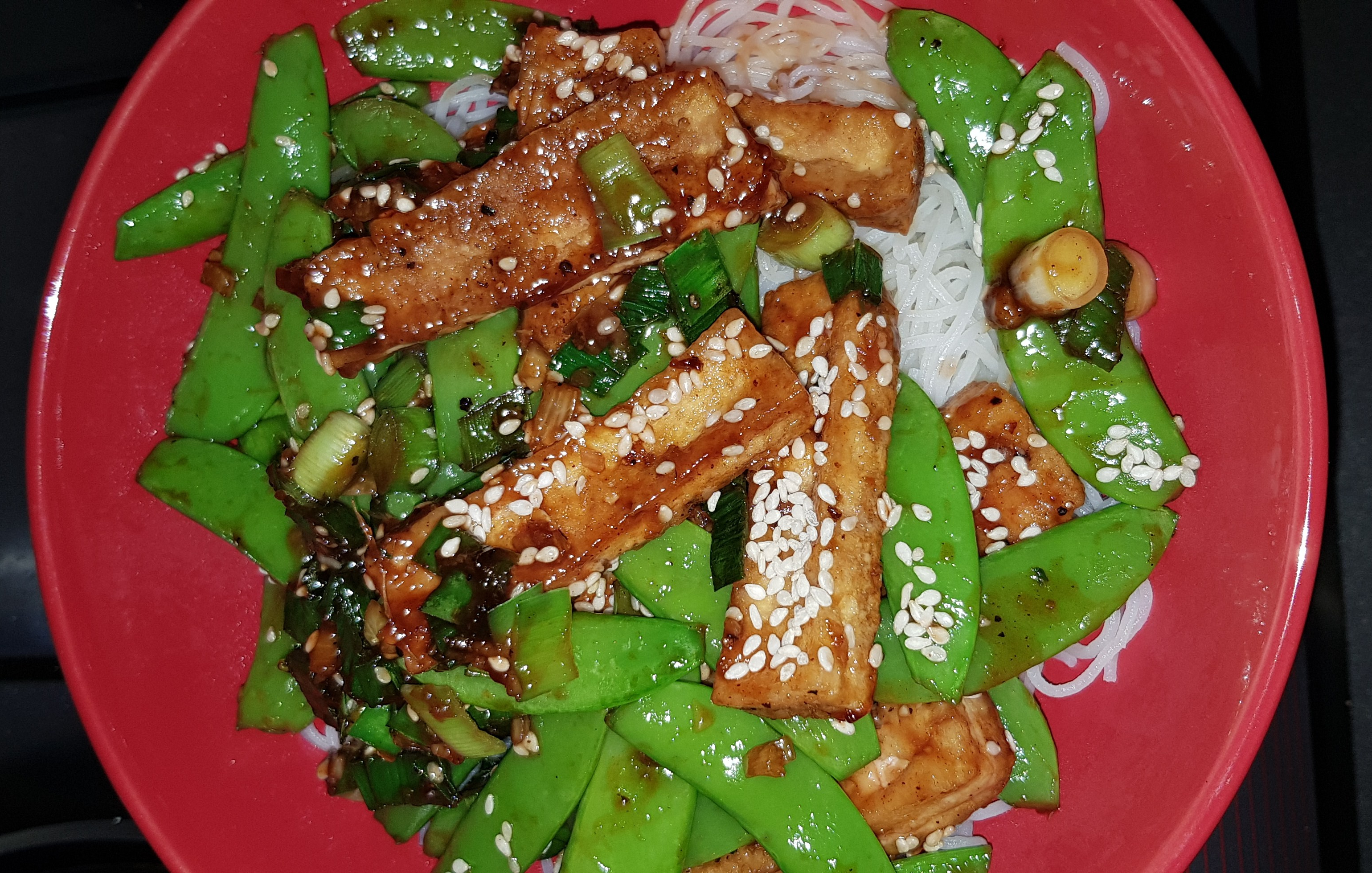
This depends on my mood on some days I make elaborate curries, soups, stews and stir fry’s on other days I just need a salad and I am good to go.

Other things to note:

Between big meals, I eat small healthy snacks to keep my hunger at bay. I go for snack that give me a full feeling. Cucumber, bananas and nuts are always a good go to for me.

I learned how to anticipate and plan around my food needs. Knowing that if I eat eggs for breakfast, I will be hungry again at 10am. I keep healthy snacks nearby. This stops me from buying deep fried samoosa or mandasi from the shops down the road, or eating a heavy meal at lunch because I decided instead of eating unhealthy fried foods, I will just starve myself until lunch time.

I cook my own meals because it is cheap and it allows me to control my salt, sugar and fat intake. However, if I can’t make home made meals that week. I do not beat myself up about eating bought meals. I just try to pick the healthiest alternatives.

The majority of my diet is made up of foods that are low on the glycaemic index (Low GI), you might have seen this labelling on some food packages. These are foods that take longer to digest, therefore keeping you satiated (feeling full) longer. They are gradually absorbed and are metabolised slower, causing a steady rise in your blood sugar level. These foods include whole grains, lean protein, vegetables and legumes to mention a few.

When I have salad as a meal; lettuce is never the base, because it is not very not very filling. I build my salad with a heavy nutritious base or at least add a lot of components to give it lots of flavour, texture and a variety of nutrients. In one of my subsequent posts I will share with you how I build a salad.

I do enjoy a juicy steak when I eat out, but I rarely (pun intended) cook red meat in my home. I occasionally cook chicken and I always have fish or some sort of sea food in my freezer.

I use herbs and spices as generously as the palate will allow. Not hot spices though, if you have ulcers keep these to a minimum. They may irritate the stomach. Turmeric is your best friend, it’s known for its anti-inflammatory properties! Sprinkle it like fairy dust!

I have a little pot of herbs outside my kitchen (I call it my kitchen garden), not only do herbs add flavour to your food, they are also packed with nutrients and antioxidants.

I read the ingredients list on the back of packaged foods I buy. This is very important! I try as much as possible to follow the recommended daily allowance of sugar, salt, fats etc. Over eating these can cause some imbalances in the body.

Reading food labels is an important part of your healthy eating journey. You should develop a habit of being conscience of what you are putting in your body.

This is the beginning of the food part…

I mentioned in my first blog post that my relationship with food was to change “FOREVER” and this blog post is self-explanatory as to why. I have generally always had a healthy lifestyle, I eat a lot of fruit and vegetables, and I try where possible to get my “five a day”. I drink two litres of water per day and exercise at least three times a week (a mix of stretch, strength and cardio). However, risk factors that probably worsened my condition included eating my fair share of junk food and occasionally indulging in a few glasses of red wine…ok fine, a few bottles! Red wine contains polyphenols, they’re good for you, but you actually need to keep it to a maximum of 1 glass a day, and don’t drink and drive…I digress!

I am eager to share with you everything I have learned about food in the last three months. If you are like me, struggling with gastric issues or you generally just want to get healthier then you might learn something that will help you and it might save you a lot of stomach and research pain.

Part 1: Foods I have eliminated or reduced from my diet and why:

Foods I have completely eliminated from my diet

Fruit juice:

Drinking fruit juice is like drinking a straight shot of sugar. This bad for your body because it causes your insulin levels to rise really fast. It is particularly dangerous if you are diabetic. Our bodies are not made to absorb sugar this way. Additionally, it makes my acid reflux flare up so quickly.

Carbonated drinks:

These drinks are sugar, sugar, sugar and acid…That and my doctor told me that anything that goes “ttttssssss”, when you open the bottle is off limits. Yes, he literally said that!

Foods I completely eliminated and started to add back to my diet slowly

Gluten (wheat, rye and barley):

Most people live with gluten intolerance and don’t know it. The problem is that if you are intolerant, it can irritate your stomach and cause hidden inflammation. For someone with my condition especially, any inflammation can be the difference between a quick or long and drawn out recovery process. Since I am not able to get a gluten tolerance test, I preferred to err on the side of caution.

Lactose:

As an adult your body does not really need lactose. Additionally, if you have lactose intolerance, hidden inflammations (same as point above about gluten). It’s not worth it, put the milk down, save it for the children. I find milk substitutes “coconut, soy and almond milk” equally delicious and healthier. I however, still eat soft cheese every once in a while.

What could help you is to keep a food diary and just write down everything you eat. When you start to add lactose and gluten back to your diet, take note of any changes your body might experience. This is how I found out that oats make me really bloated.

Tips: do not add both of these back to your diet at the same time. Give it a difference of atleast one week. This way you will be able to determine which one affects you.

Foods I have greatly reduced from my diet:

Acidic foods (citrus fruits; oranges, grapefruit, pineapple, tomato and tomato sauces, most foods that give you that sour taste in your mouth):

My stomach is sensitive to acid, I have to take an anti-acid after almost every meal. I had to reduce my acid intake to avoid further corroding my gastrointestinal (GI) track. If you are a healthy person reading this blog do not cut out “whole citrus fruits or tomato” from your diet, you may want to avoid fruit juices but whole fruits are great for you, get that vitamin C!

Refined foods:

Processed foods that have some components removed or added to make them “taste better”, look better or have a longer shelf-life. The fact is that most of the nutrients and fibre are removed and these foods contribute virtually NOTHING but empty calories to your diet. Examples of refined foods include sugar and white flour, potato crisps, biscuits, carbonated soft drink, the list is endless. I still enjoy the odd biscuit and crisps here and there, but prefer to snack on whole fruits and raw nuts these days.

Preservatives:

Preservatives make you food last for a longer time. I am trying to stick to whole and natural foods and these were not made to last forever. Basically what I am saying is, if you are eating whole foods, you will eat less preservatives as these are commonly found in processed, refined and packages foods.

Alcohol:

From my internet research, the arguments I have read about whether or not alcohol has an effect on gastrointestinal health are so far inconclusive. However, I know that drinking alcohol does make my symptoms worse and I have the acid-reflux to prove it! Most doctors will recommend you completely stop taking alcohol for a certain period to speed up your healing process or to significantly reduce your consumption. Which is good advice for all of us generally.

Foods I cried about when I was told to reduce them from my diet

Beans:

I love beans, beans are amazing, a most marvellous creation if I ever saw one! Beans are high in protein, iron, folate, fibre and they give you gaaaaaasss, you guys, gas for days. At this point my stomach cannot handle that. So, no beans for me. But you should eat your beans for every meal, on my behalf, please. Unless you have ulcers, don’t eat beans if you have ulcers!

Sweet potato and cassava:

I have no idea why? The cassava I don’t mind, I am not a big fan anyway. My beloved sweet potato however, I miss so much! I haven’t had a single bite since March☹. . The doc said no sweet potato but online I can’t find any reason why. If anyone knows please educate a sister! I will experiment with adding it back to my diet sometime soon.

Other foods you should consider reducing from your diet:

  • Caffeinated drinks; caffeine may aggravate your symptoms
  • Chocolate; contains lots of sugar and caffeine
  • Spicy foods; may irritate your stomach lining
  • Muesli; the doctor said, and I am paraphrasing here “unless you are chewing that stuff really, really well, all those lovely, pointy grain husks in your cereal may stick you right in the ulcer”. I go for soft oat porridge with mixed seeds instead.

Please read this:

completely cutting certain foods out of your diet (lactose and gluten for example) for a prolonged period of time, could cause you to develop an intolerance to them, that is if you aren’t already. Do not completely cut certain foods out of your diet, unless this is recommended by your doctor or if you can live with not eating those foods for the rest of your life.

Understanding ulcers

Ulcers are types of sores that occur when the surface lining of a part of the body erodes. Ulcers can appear anywhere on your body; you can get them on the outside or inside of your body, they may recur or be slow to heal, some cases of ulcers disappear on their own, while others require medical treatment to prevent serious complications. Common types of ulcers are:

Venous and arterial (ischaemic) ulcers:  the most common types are open wounds that form on the leg, below the knee and on the ankles, feet, toes and heels. They characteristically develop as a result of damage to your veins and/or arteries, causing insufficient blood flow to the affected tissues.

Mouth ulcer: are small sores that develop in your mouth or at the base of your gums, they are commonly known as “canker sores”.

Peptic ulcers: are sores that occur in your oesophagus (oesophageal ulcer), stomach lining (gastric ulcer) and upper intestinal tract (duodenal ulcer). They form as result of imbalance between the body’s innate “attack” and “defence” mechanisms of the digestive tract leading to subsequent damage to the walls of your oesophagus, stomach or intestine.

Peptic ulcers are most often caused by inflammation after being infected with Helicobacter pylori (H. pylori) bacteria, as was the case for me. They can also be caused by or get worse with the prolonged and frequent use of a group of painkillers known as Non-Steroidal Anti-Inflammatory Drugs (NSAIDs), common NSAIDs include ibuprofen, diclofenac and aspirin.

Back in the day, peptic ulcers were thought to be solely caused by stress. Even though this theory has long been disproven, a few of medical personnel still subscribe to it. Be sure to ask for an H. Pylori test before you start any treatment.

Left: my arm after I got the blood test. Right: medication given to me (help!)

Having stated that stress does not cause ulcers, it should be highlighted that it is a risk factor for ulcers. Reducing stress may help you in the healing process.

Treatment of peptic ulcers depends on the underlying cause of your ulcer:

If you have an H. pylori infection, your doctor may prescribe a triple therapy treatment of two antibiotics (to kill the harmful bacteria) and an oral proton pump inhibitor (acid suppression therapy).

If your ulcers resulted from the prolonged use of NSAIDs or other medication, doctors may prescribe medication that reduces your stomach acid or protectively coats your stomach to prevent further acid damage (and you will of course, have to avoid use of NSAIDs).

Common symptoms of ulcers include but are not limited to:

  • Gnawing pain; it kind of feels like hunger pangs but a bit more painful and you do usually only experience it when you are hungry
  • Indigestion
  • Heart burn
  • Feeling of fullness
  • Bloating
  • Excess gas
  • Incessant burping
  • Nausea

When peptic ulcers are at their worst,   an area of the full thickness of the lining of your organ(s) may be completely eaten away, causing a perforation and bleeding. The blood can show up in:

  • Vomit (having bloody colour and/or consistency of coffee grounds) or;
  • Stool, which will often look very dark and sticky

If you have these symptoms, you should go to the hospital immediately, at their worst ulcers can be life-threatening.

Disclaimer: I am not a licence nutritionist or medical professional! If you are experiencing symptoms like those outlined in this blog, I urge you to seek professional medical advice from a licensed practitioner before you take any medication or change your diet.

About Amanda

Development worker, Lover of the great outdoors, Yogi, Pilates practitioner, Plant/gardening enthusiast and Healthy eater trying her hand at an anti-inflammatory diet.

I invite you to join me on my journey as I get a lifestyle overhaul which resulted from a medical diagnosis that would forever change my relationship with food.

Through this blog I share with you my story, how I cope with a demanding food schedule, work and personal life, exercise tips and delicious recipes.

Disclaimer: I am not a licence nutritionist or medical professional! This blog offers you a view into my journey with food and how I am coping with a new lifestyle. It is strictly about sharing my experience with peptic ulcers and raising awareness around the topic. I have done a lot of internet research on the topics I write about and I also happen to be lucky enough to have several people with a medical background who are willing to fact check my posts before they go up. I however, urge you to seek professional medical advice from a licensed practitioner if you are experiencing symptoms like those outlined in this blog and before you take any medication or change your diet.

Design a site like this with WordPress.com
Get started