Ulcers are types of sores that occur when the surface lining of a part of the body erodes. Ulcers can appear anywhere on your body; you can get them on the outside or inside of your body, they may recur or be slow to heal, some cases of ulcers disappear on their own, while others require medical treatment to prevent serious complications. Common types of ulcers are:
Venous and arterial (ischaemic) ulcers: the most common types are open wounds that form on the leg, below the knee and on the ankles, feet, toes and heels. They characteristically develop as a result of damage to your veins and/or arteries, causing insufficient blood flow to the affected tissues.
Mouth ulcer: are small sores that develop in your mouth or at the base of your gums, they are commonly known as “canker sores”.
Peptic ulcers: are sores that occur in your oesophagus (oesophageal ulcer), stomach lining (gastric ulcer) and upper intestinal tract (duodenal ulcer). They form as result of imbalance between the body’s innate “attack” and “defence” mechanisms of the digestive tract leading to subsequent damage to the walls of your oesophagus, stomach or intestine.
Peptic ulcers are most often caused by inflammation after being infected with Helicobacter pylori (H. pylori) bacteria, as was the case for me. They can also be caused by or get worse with the prolonged and frequent use of a group of painkillers known as Non-Steroidal Anti-Inflammatory Drugs (NSAIDs), common NSAIDs include ibuprofen, diclofenac and aspirin.
Back in the day, peptic ulcers were thought to be solely caused by stress. Even though this theory has long been disproven, a few of medical personnel still subscribe to it. Be sure to ask for an H. Pylori test before you start any treatment.
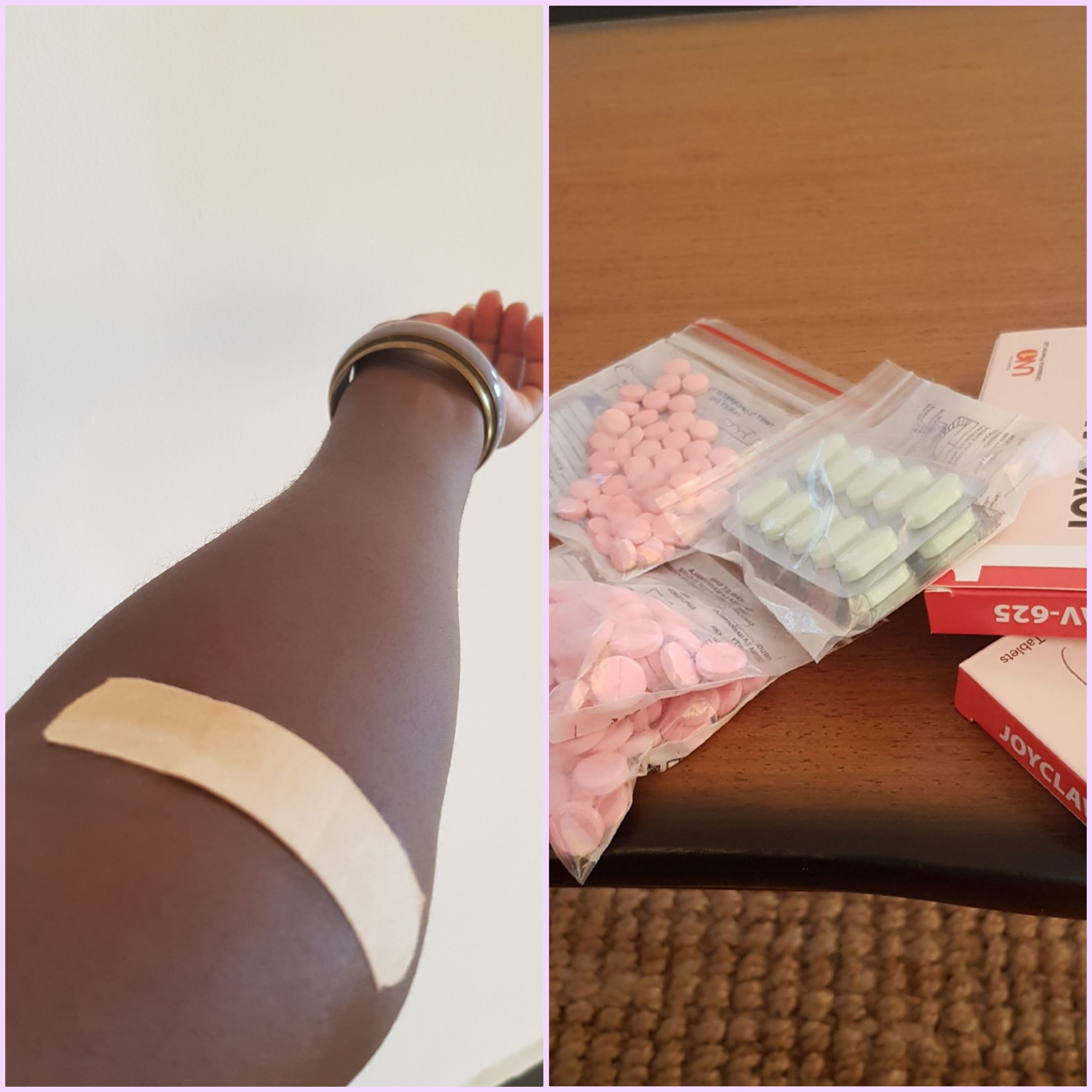
Having stated that stress does not cause ulcers, it should be highlighted that it is a risk factor for ulcers. Reducing stress may help you in the healing process.
Treatment of peptic ulcers depends on the underlying cause of your ulcer:
If you have an H. pylori infection, your doctor may prescribe a triple therapy treatment of two antibiotics (to kill the harmful bacteria) and an oral proton pump inhibitor (acid suppression therapy).
If your ulcers resulted from the prolonged use of NSAIDs or other medication, doctors may prescribe medication that reduces your stomach acid or protectively coats your stomach to prevent further acid damage (and you will of course, have to avoid use of NSAIDs).
Common symptoms of ulcers include but are not limited to:
- Gnawing pain; it kind of feels like hunger pangs but a bit more painful and you do usually only experience it when you are hungry
- Indigestion
- Heart burn
- Feeling of fullness
- Bloating
- Excess gas
- Incessant burping
- Nausea
When peptic ulcers are at their worst, an area of the full thickness of the lining of your organ(s) may be completely eaten away, causing a perforation and bleeding. The blood can show up in:
- Vomit (having bloody colour and/or consistency of coffee grounds) or;
- Stool, which will often look very dark and sticky
If you have these symptoms, you should go to the hospital immediately, at their worst ulcers can be life-threatening.
Disclaimer: I am not a licence nutritionist or medical professional! If you are experiencing symptoms like those outlined in this blog, I urge you to seek professional medical advice from a licensed practitioner before you take any medication or change your diet.
 Foodieventures: Amanda's journey with food